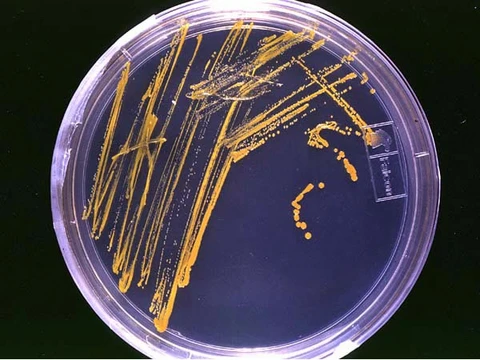
Endospore
A dormant, resilient bacterial survival form triggered by starvation.

WMrapids · CC0
An endospore is a dormant, tough, and non-reproductive structure produced by some bacteria in the phylum Bacillota. The name 'endospore' suggests a spore or seed-like form (endo means 'within'), but it is not a true spore—it is a stripped-down, dormant form to which the bacterium can reduce itself. Endospore formation is usually triggered by a lack of nutrients and typically occurs in Gram-positive bacteria. Most types of bacteria cannot form endospores; examples of species that can include Bacillus cereus, Bacillus anthracis, Bacillus thuringiensis, Clostridium botulinum, and Clostridium tetani.
- type
- Bacterial dormant structure
- phylum
- Bacillota
- discovery_hypothesis
- Ferdinand Cohn (thermo-resistant endospores)
- key_components
- DNA, ribosomes, dipicolinic acid, calcium dipicolinate, SASPs
- resistance_to
- UV radiation, desiccation, high temperature, extreme freezing, chemical disinfectants
- known_for
- Extreme durability and long-term dormancy
Lore & Background
Endospore formation begins when a bacterium detects unfavorable environmental conditions, such as lack of carbon and nitrogen sources. The process, called sporulation, takes about eight hours. The DNA is replicated, and a membrane wall known as a spore septum forms. The plasma membrane surrounds this wall and pinches off, leaving a double membrane around the DNA, forming a forespore. Calcium dipicolinate is incorporated, and a peptidoglycan cortex forms between the two layers. A spore coat is added, and the endospore is dehydrated and matures before release from the mother cell.
Reader's Guide
Endospores are significant because they represent one of the most durable forms of life known, capable of surviving extreme conditions such as ultraviolet radiation, desiccation, high temperature, extreme freezing, and chemical disinfectants. They can remain dormant for thousands to millions of years, with claims of revival from salt crystals approximately 25 million years old. Their resistance is due to components like dipicolinic acid, calcium dipicolinate, and small acid-soluble proteins (SASPs) that protect DNA. Endospores are commonly found in soil and water and are resistant to many common antibacterial agents. Their study has implications for sterilization, public health (e.g., Bacillus anthracis and Clostridium tetani), and astrobiology, as they suggest the possibility of microbial survival over geological timescales.
Did You Know?
- Endospores can survive without nutrients and are resistant to ultraviolet radiation, desiccation, high temperature, extreme freezing, and chemical disinfectants.
- Dipicolinic acid accounts for up to 10% of the spore's dry weight and appears to help maintain dormancy.
- There is one report of viable spores of Bacillus marismortui in salt crystals approximately 25 million years old.
- Endospore formation does not occur within the Archaea or Eukaryota.
Formation and the Cryptobiotic Life Cycle
Endospore formation represents one of nature's most remarkable survival strategies, yet it is fundamentally not a reproductive event. Despite the seed-like connotation of the name, an endospore is not an offspring but rather a bacterium stripping itself down to its barest essentials and entering a state of suspended animation. The process is typically set in motion when nutrients become scarce, and it is restricted to certain Gram-positive members of the phylum Bacillota. During sporulation, the bacterium divides within its own cell wall, and one half then engulfs the other, packaging the genetic material and essential cellular machinery into a compact, dormant package. Once formed, the endospore exhibits no detectable metabolic activity, a condition scientists call cryptobiosis. When conditions improve, the structure can germinate back into a fully active vegetative cell. Only a limited set of species possess this ability, including Bacillus cereus, Bacillus anthracis, Clostridium botulinum, and Clostridium tetani. Neither Archaea nor Eukaryota produce endospores, and some bacteria instead form exospores, or microbial cysts, which represent a different kind of dormant stage.
Layered Architecture and Chemical Defenses
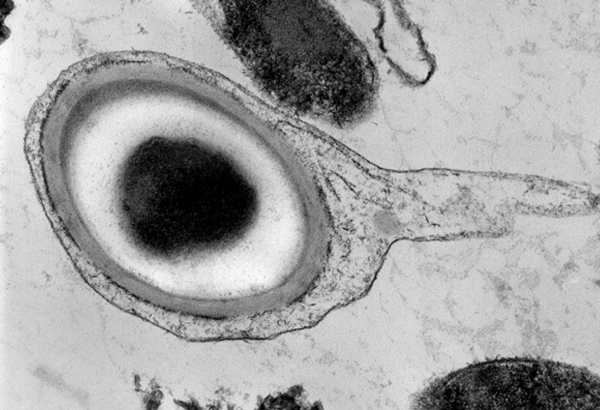
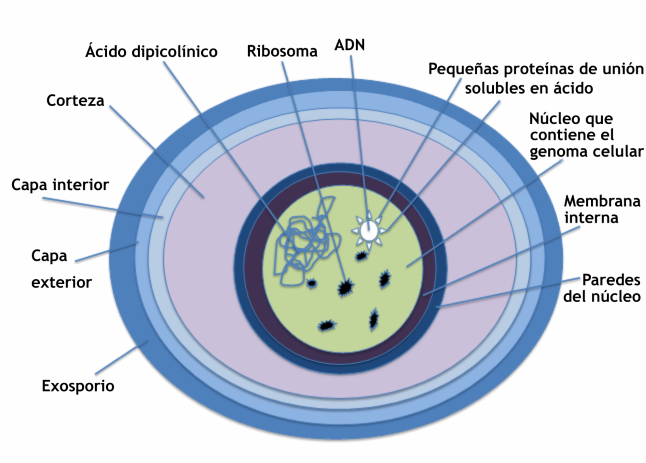
The internal architecture of an endospore is a masterwork of concentric protection. From the outside in, the structure is organized into an exosporium, a spore coat, a peptidoglycan cortex, and a core wall enclosing the protoplast. The spore coat functions like a molecular sieve, blocking large toxic molecules such as lysozyme while housing enzymes that participate in germination. In Bacillus subtilis, researchers have identified more than seventy distinct coat proteins arranged in inner and outer layers. Early speculation by Kadota and Iijima suggested a keratin-like periodic structure, but subsequent genomic analysis found no ortholog of human keratin, prompting the group to revise its conclusion. Within the core, chromosomal DNA is tightly condensed and shielded by small acid-soluble spore proteins, or SASPs, which confer resistance to ultraviolet radiation and DNA-damaging chemicals. The core also harbors ribosomes and enzymes, though it remains metabolically inert. A striking feature is the high concentration of dipicolinic acid, which can constitute up to ten percent of the spore's dry weight, with calcium dipicolinate reaching up to twenty percent. These compounds are thought to stabilize DNA and contribute to heat and oxidative resistance, though heat-resistant mutants lacking dipicolinic acid demonstrate that additional protective mechanisms are at work.
Extraordinary Longevity and Environmental Resilience
Few biological structures rival the endospore in sheer durability. These dormant cells can persist without any nutrients, shrugging off ultraviolet radiation, extreme desiccation, lethal temperatures, deep freezing, and a wide array of chemical disinfectants. Common antibacterial agents that destroy vegetative cell walls cannot penetrate or damage an endospore. Their longevity is staggering: numerous reports document spores remaining viable for more than ten thousand years, and claims of revival from spores millions of years old have been made. One particularly striking case involves viable spores of Bacillus marismortui recovered from salt crystals estimated at roughly twenty-five million years. Astrophysicist Steinn Sigurdsson has noted that viable bacterial spores as old as forty million years have been found on Earth and are exceptionally hardened against radiation. The historical significance of endospores extends beyond biology. In the nineteenth century, Ferdinand Cohn observed that Bacillus subtilis could regrow on cheese even after the cheese had been boiled, leading him to hypothesize that spores were the mechanism behind this persistence. His insight dealt a major blow to the then-prevailing theory of spontaneous generation. Today, endospores are routinely encountered in soil and water, where they may remain dormant for extraordinarily long stretches until environmental cues trigger germination.
Visual Identification and Taxonomic Significance
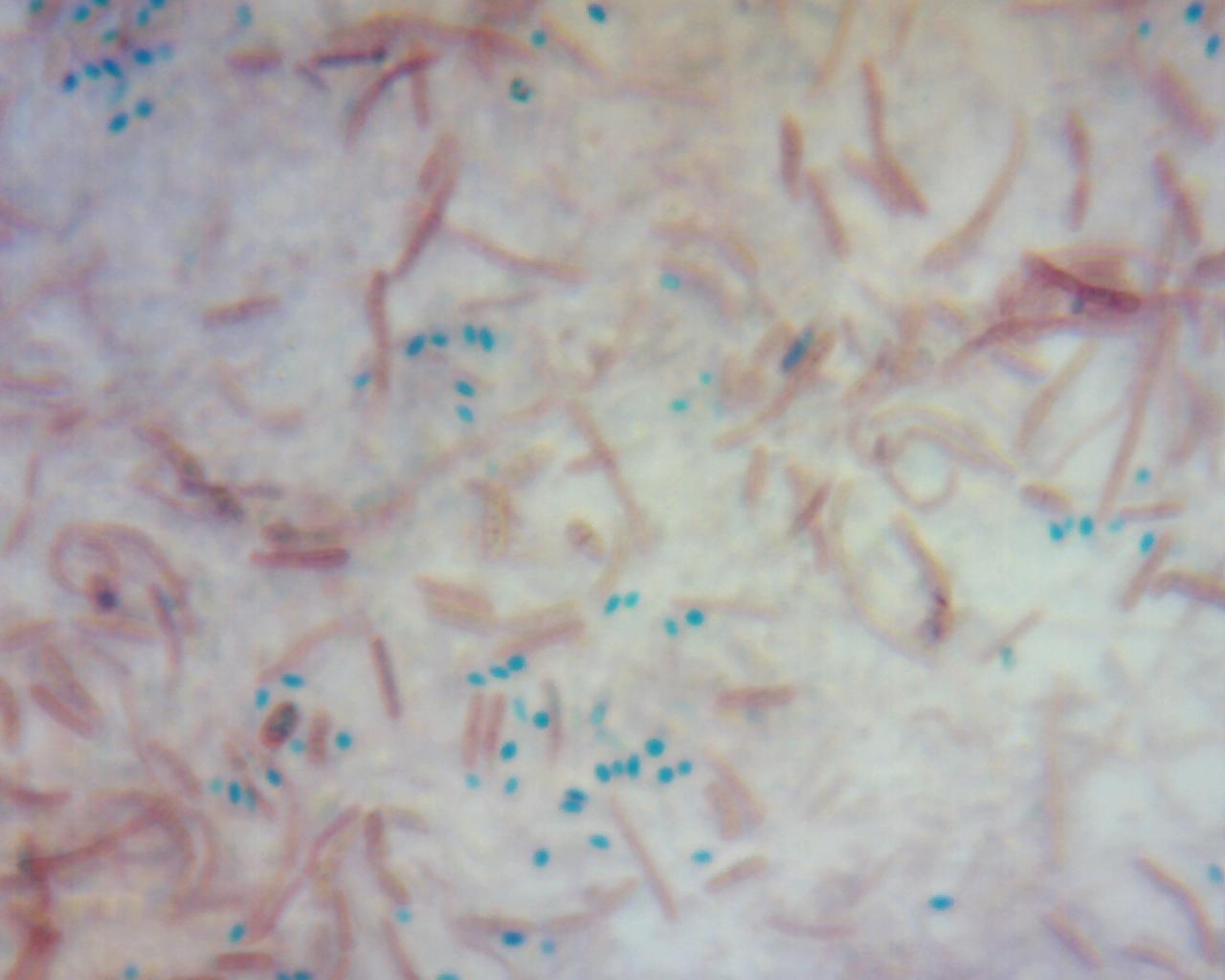
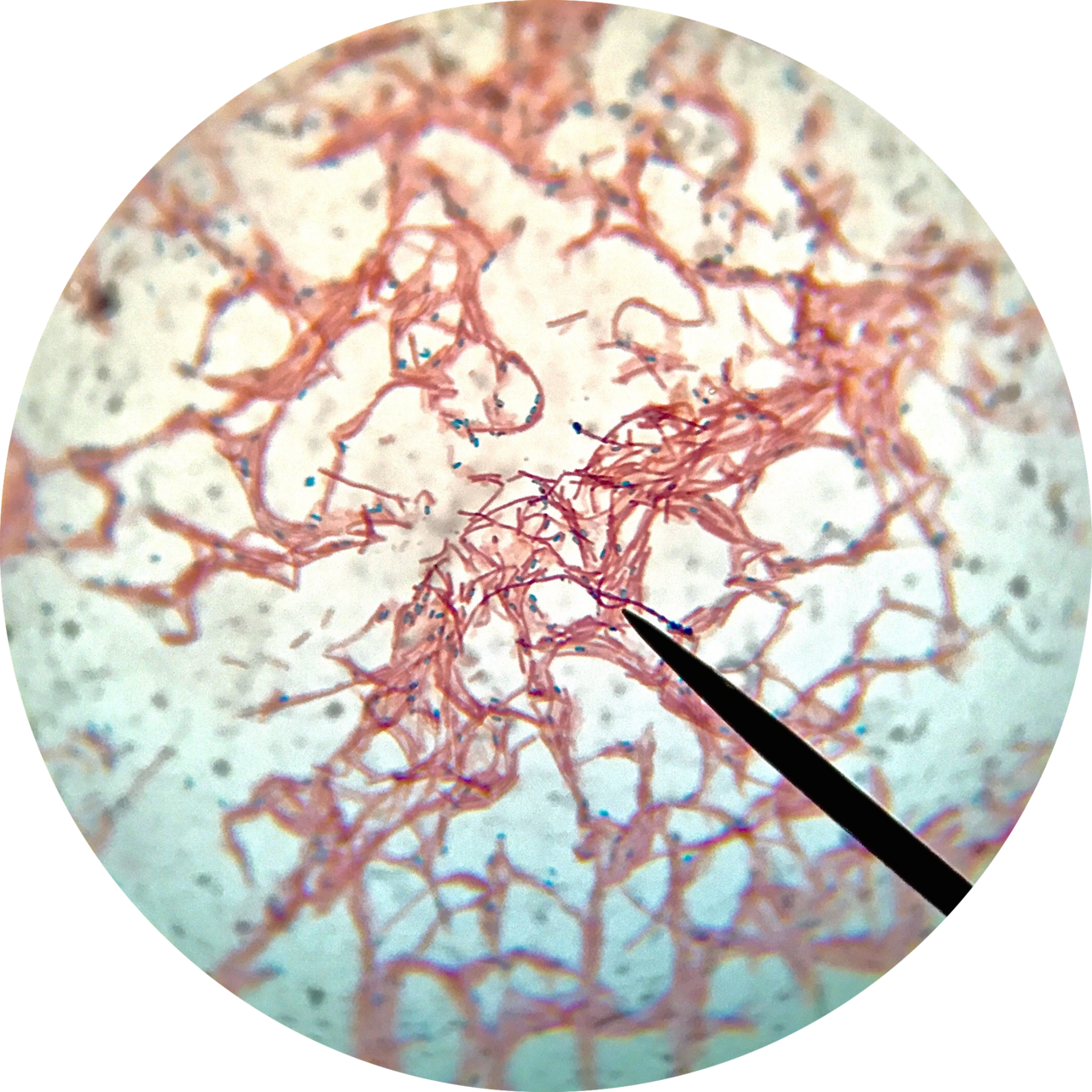
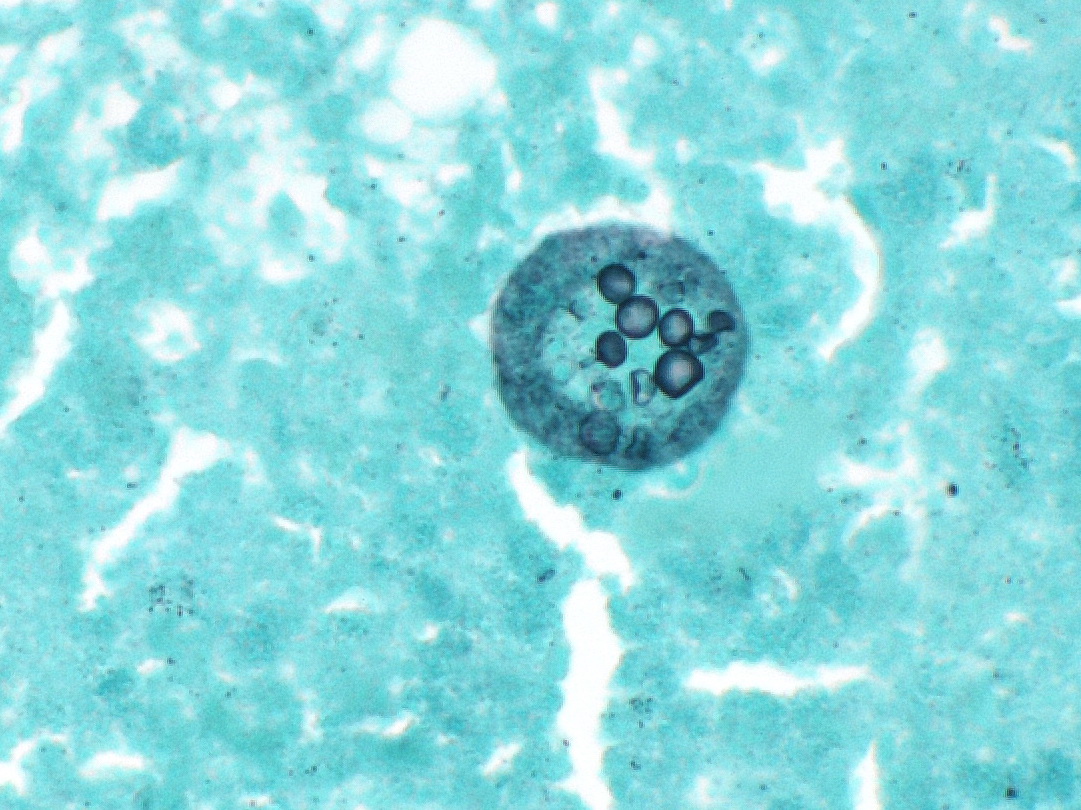
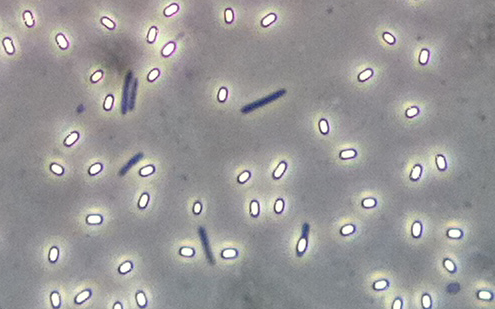
Observing an endospore under a standard light microscope presents a unique challenge: the spore wall is so impermeable to conventional dyes that while the surrounding bacterial cell takes up stain, the endospore remains stubbornly colorless. To overcome this, microbiologists rely on specialized staining protocols. The Moeller stain renders the endospore a vivid red against a blue-stained vegetative cell, while the Schaeffer-Fulton method produces the reverse contrast, coloring endospores green and bacterial bodies red. Beyond staining, the position of the endospore within the host cell serves as a valuable taxonomic marker. Depending on the species, the spore may sit at the cell pole (terminal), occupy the middle (central), or fall somewhere in between (subterminal). This positional variation helps laboratory workers distinguish among endospore-forming species. It is also important to recognize that endospores are not the only dormant structures in the microbial world. Some bacterial classes produce exospores, or microbial cysts, which represent a separate category of hibernation. However, among all spore- and cyst-forming microorganisms, the endospores of low G+C Gram-positive bacteria stand out as the most resistant to harsh environmental conditions, making them the gold standard of microbial durability.
Gallery
More in Microbiology 1-24
Elsewhere in the Microbiology universe
Spotted an error? Know more?
This is a living reference — every entry is fact-audited, and reader corrections feed straight into our audit queue. Suggest an edit · See this site's audit record